Driving in New Zealand: Essential Guide for Tourists Hiring a Car or Campervan
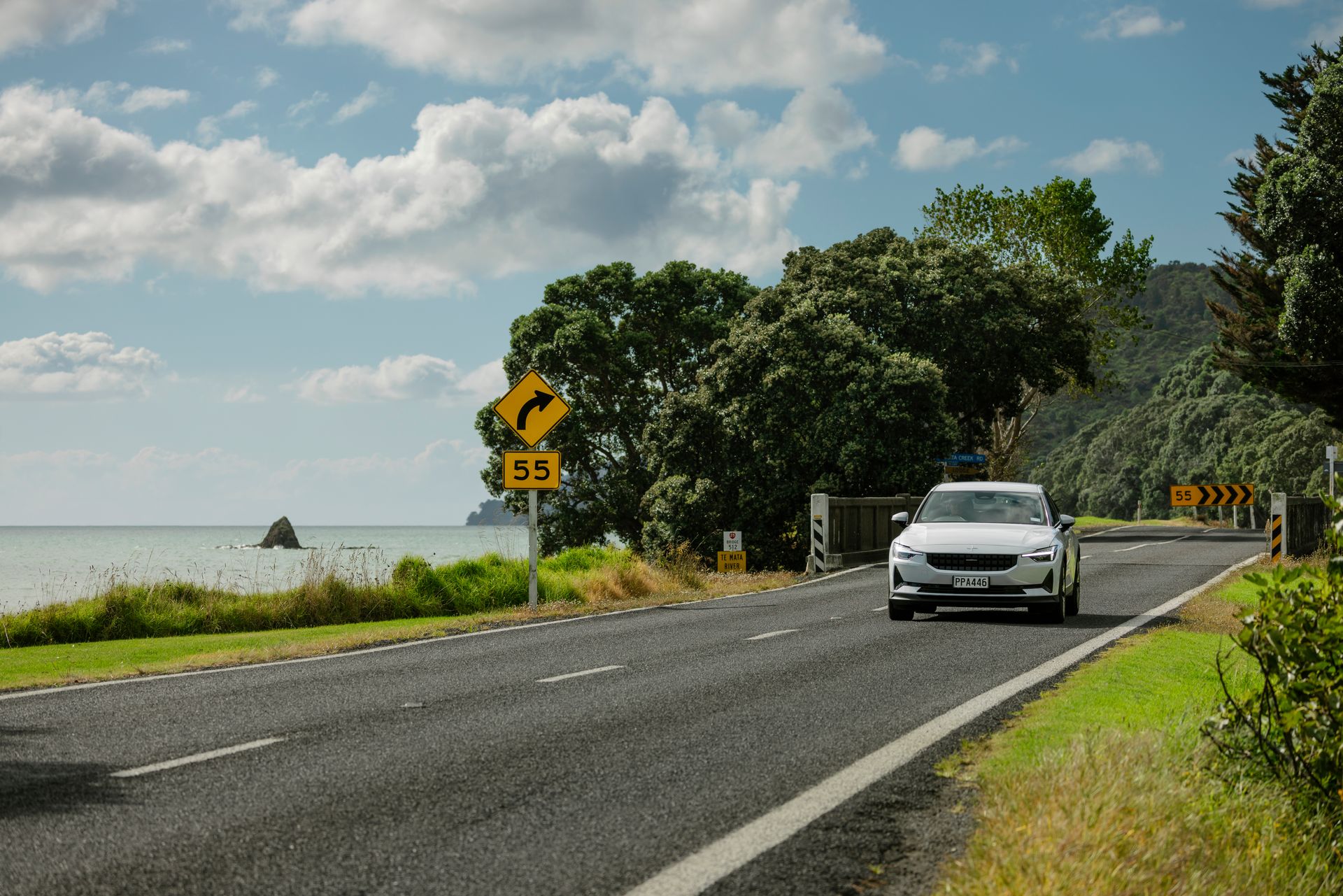
driving in new zealand
Here's everything you need to know about driving in New Zealand.
Planning a self-drive holiday is one of the best ways to
experience New Zealand. From alpine passes and glacier country to
coastal highways, vineyards, and remote lakes, the freedom of having
your own vehicle makes it easier to discover places that tours often
miss. But before you set off, it is important to understand New
Zealand’s driving laws, road conditions, and safety expectations.
If
you are visiting New Zealand and planning to hire a car or campervan,
this guide covers the key things you need to know. It is based heavily
on official guidance from Waka Kotahi NZ Transport Agency (NZTA),
especially its advice for visitors and new residents.
Because road
conditions and legal requirements can change, it is always wise to check
the latest official information before your trip on their dedicated page here.
Whether
you are touring the North Island, exploring South Island mountain
roads, or road-tripping in a campervan, this article will help you drive
safely and confidently in New Zealand.
Why driving in New Zealand is different
Many tourists underestimate the unique challenges of driving in New Zealand. Distances on the map
may look short, but travel times are often longer than expected. Roads
can be narrow, winding, hilly, and affected by weather. In rural areas,
you may encounter one-lane bridges, gravel roads, livestock, road works,
or sharp bends. In the South Island especially, winter can bring snow,
ice, fog, and temporary road closures.
NZTA strongly encourages
visitors to plan carefully, rest often, and avoid trying to cover too
much in one day. A New Zealand road trip is much more enjoyable when you
allow extra time for slower roads, scenic stops, and changing
conditions.
If you are still planning your itinerary, our New Zealand self-drive trip planner is a wonderful, free to use, planning assistant. You can see it here.
Licence requirements for international visitors driving in new zealand
One of the first questions visitors ask is whether they can legally drive in New Zealand using an overseas driver licence.
According to NZTA, driving in New Zealand is allowed for up to 18 months from the date you arrive (on an overseas car licence) or up to 12 months on an overseas bike or truck licence, as long as:
- you have a current and valid overseas driver licence, and
- your licence is in English, or you carry an accurate English translation, or
- you have an International Driving Permit (IDP) issued in accordance with an approved convention.
Your
overseas licence must authorise you to drive the same type of vehicle
you intend to drive in New Zealand. For example, if you are hiring a
standard car, your licence must cover that class of vehicle. If you are
hiring a larger campervan, you should check carefully that your licence
permits that vehicle class and weight.
Important points for overseas drivers include:
- your licence must be current. An expired licence is not valid.
- if your licence is not in English, you must carry an approved English translation or an IDP.
- you must carry your licence with you whenever you drive.
- if you stay in New Zealand longer than 12 months, you may need to convert your overseas licence to a New Zealand licence.
If you are unsure whether your licence is acceptable, check directly with NZTA before you travel.
PLEASE NOTE: Rental companies may also have their own conditions, including minimum age requirements and restrictions for some vehicle types.
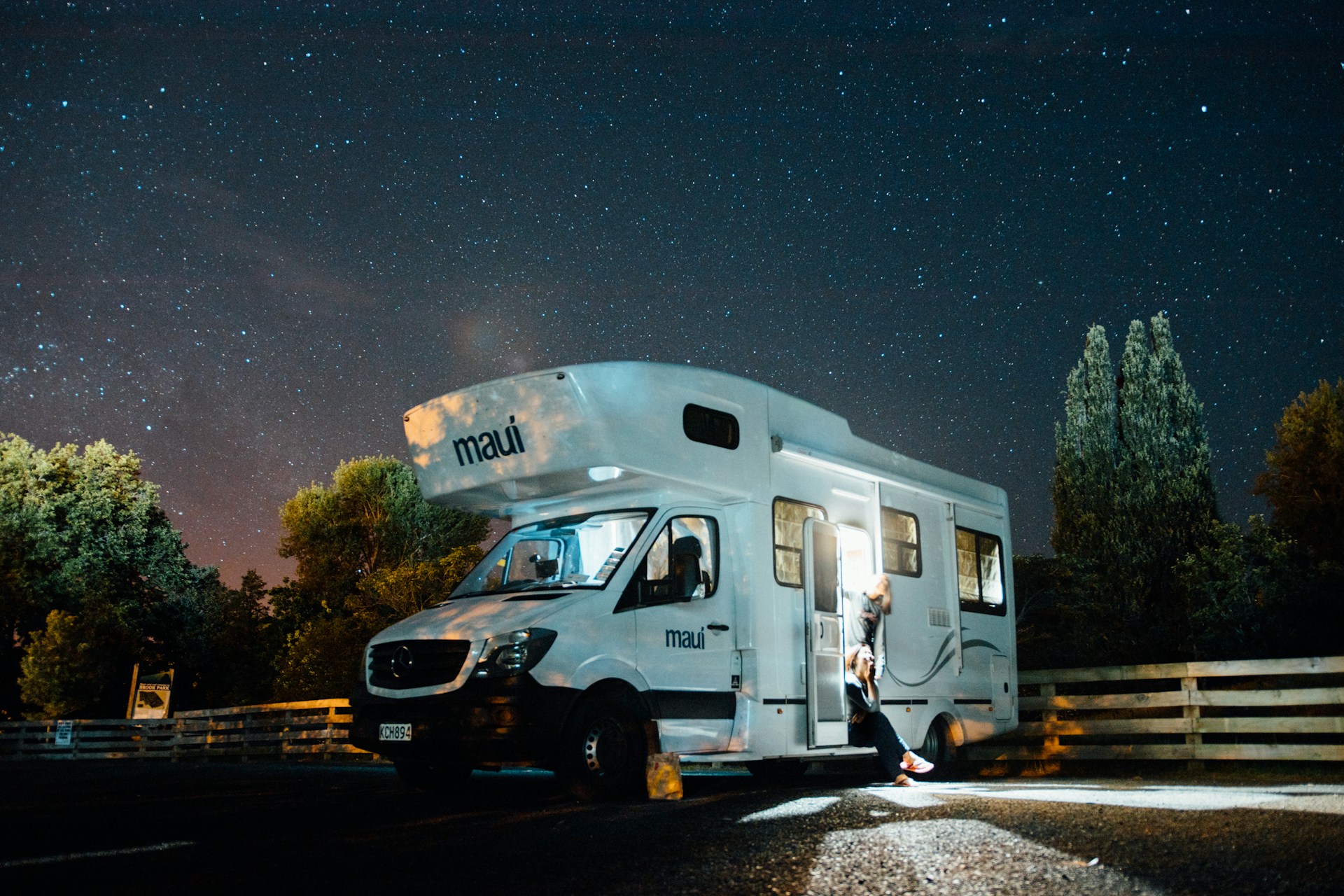
Beware: We Drive on the left in New Zealand
The most important rule for visitors to remember is that in New Zealand, you drive on the left-hand side of the road.
This
is a major adjustment for travellers from countries where people drive
on the right. NZTA highlights that many crashes involving tourists
happen because drivers drift to the wrong side of the road, especially
when they are tired, distracted, or turning at intersections.
Here are some simple reminders:
- keep left at all times.
- the driver sits on the right side of the vehicle.
- when turning into a road, enter the left side of that road.
- at intersections, roundabouts, and after stops, take an extra second to confirm you are on the left.
A good habit is to say to yourself: “Keep left” each time you start driving, especially in the first few days.
Key New Zealand road rules you need to know
Understanding local road rules is essential when hiring a car or
campervan in New Zealand. The following are some of the most important
rules and safe driving principles visitors need to know.
Speed limits
The
default speed limit on most open roads is 100 km/h, unless signs show
otherwise. In urban areas, the limit is often 50 km/h, although some
areas, like school zones, may be lower.
However, speed limits are maximums, not
targets. Many New Zealand roads are winding and narrow, and safe speeds
may be much lower than the posted limit. Campervans in particular
require more stopping distance and slower cornering speeds.
Always drive to the conditions.
Seatbelts and child restraints
Seatbelts
are compulsory for everyone in the vehicle, in both front and back
seats. Children must be secured in approved child restraints where
required by law. If you are travelling as a family, confirm child seat
requirements with your rental provider in advance.
No mobile phone use while driving
You
must not use a handheld mobile phone while driving. This includes
texting, calling, or using the phone in your hand. If you need
navigation, set it up before you leave and use a legal hands-free option
if appropriate.
Alcohol and drug limits
New Zealand has
strict drink-driving and drug-driving laws. If you plan to drink, do not
drive. This is the safest and simplest rule for visitors to follow.
Intersections and giving way
New
Zealand road rules at intersections may differ from those in your home
country. You must understand give way rules before driving. In general,
signs and road markings will tell you who must stop or give way, but it
is worth reviewing the official NZTA guidance in advance.
Roundabouts
Roundabouts
are common in New Zealand. Traffic already on the roundabout has
priority. You must give way appropriately and signal correctly when
exiting. Roundabouts can be confusing for drivers used to right-hand
traffic, so approach slowly and carefully.
One-lane bridges
One-lane
bridges are common on rural roads. Signs will show which direction has
priority, or whether neither direction does and both must give way as
required. Slow down, check the signs, and never assume you can proceed
first.
Passing lanes and overtaking
Use passing lanes to
let faster traffic pass. If traffic builds up behind you, it is
courteous and safer to pull over when possible and let others go by.
Only overtake when it is legal, clearly visible, and safe. Never cross a
solid yellow no-passing line on your side of the centre line.
Stopping distances are longer than you think
NZTA
warns that people often underestimate stopping distances, especially in
wet or icy weather. Leave a safe following distance between your
vehicle and the one in front. This is even more important when driving a
campervan, which is larger, heavier, and slower to stop than a normal
car.
Road signs - get to know them
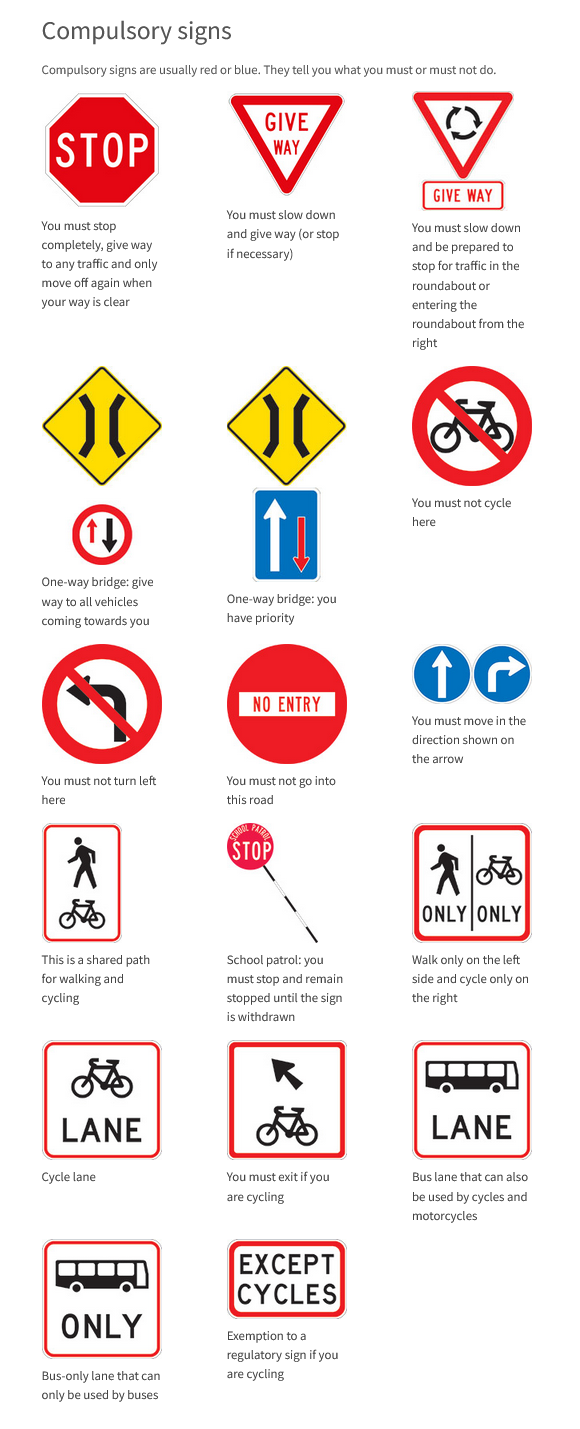
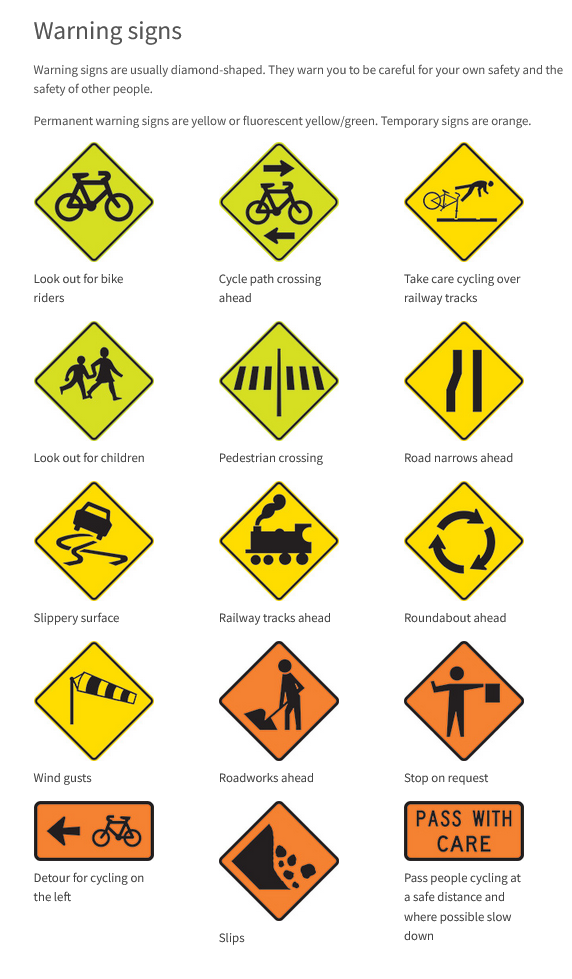
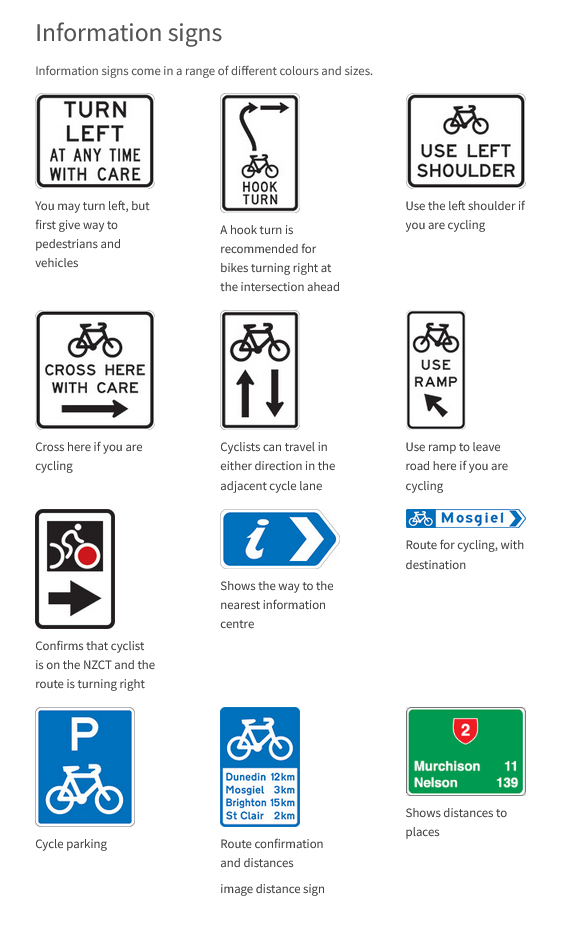
Please take the time to get to know our various road signs. The images take up a bit of space so we've added them down the bottom of the page - here.
Campervan driving in New Zealand
A campervan trip can be an amazing way to see New Zealand, but it comes
with added responsibilities. If you are new to driving larger vehicles,
take time to get comfortable before heading onto busy roads or mountain
routes.
Campervans are different from cars because they:
- are longer and wider
- take more time to brake
- may be more affected by wind
- can swing wider on corners
- may have limited rear visibility
- can be slower uphill and downhill
Take
it slowly, especially on narrow roads, in small towns, and when
parking. If vehicles are building up behind you, pull over safely and
let them pass.
If you are trying to decide whether to rent a car and stay in hotels, or rent a campervan, we've put together a handy tool to help you decide.
Road conditions in New Zealand
New Zealand roads are often scenic, but they demand concentration. Tourists are sometimes surprised that roads between major destinations are not always multi-lane highways. Even well-known touring routes can include:
- tight bends
- steep sections
- narrow bridges
- loose chip surfaces
- gravel detours
- road works
- livestock or wildlife near the road
Travel
times can also be misleading. A route that appears short on a map may
still take much longer than expected. Plan realistic driving days and
avoid rushing to reach your next stop.
NZTA recommends taking
regular breaks. A good rule is to stop at least every two hours. Fatigue
is a serious safety risk, especially for travellers arriving after
long-haul flights.
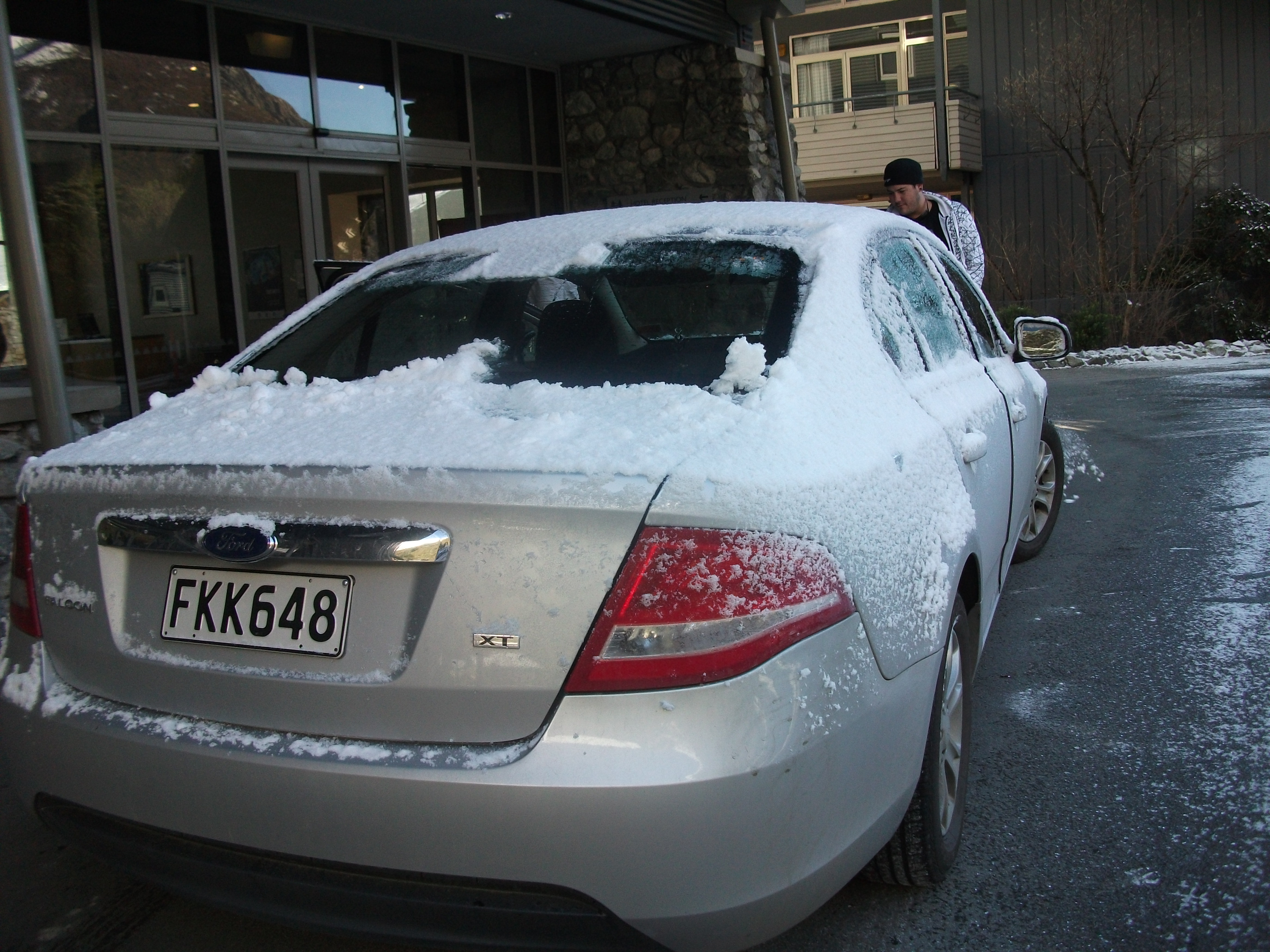
Seasonal driving issues in New Zealand
Driving conditions change significantly with the seasons, and this is particularly important for the South Island.
Summer driving
Summer
is the busiest travel season. Roads can be crowded, especially around
holiday periods and major tourism regions. You may also face glare,
heat, and driver fatigue from long sightseeing days. Start early, stay
hydrated, and allow for traffic delays.
Autumn and spring
These
shoulder seasons can be excellent for road trips, but weather can still
change quickly. Rain, fog, and colder mornings may affect visibility
and traction, especially inland and in alpine areas.
Winter driving in the South Island
Winter
is when tourists need to be especially cautious, particularly in the
South Island. Snow, ice, frost, fog, and black ice can make roads
hazardous. Alpine highways and inland roads may require extreme care,
and some routes may temporarily close due to weather conditions.
Areas that often require extra caution in winter include:
- roads around Queenstown and Wānaka
- the Crown Range Road
- Lindis Pass
- Arthur’s Pass
- Lewis Pass
- sections of State Highway 1 in the south
- roads to ski fields and alpine areas
Key winter driving advice includes
Check road and weather conditions before you leave
NZTA provides traffic and travel information, including alerts, road hazards, closures, and winter conditions. This should be part of your daily routine in winter.
Carry chains if required
On some roads, especially alpine routes, chains may be essential or required. If you hire a vehicle in winter, ask the rental company whether chains are supplied, whether you are allowed to fit them, and how to use them correctly.
Visitors to Queenstown need to be aware of local laws which make it an offence to not fit chains when required. Failure to comply can result in substantial fines. You can learn more here.
Watch for black ice
Black ice is difficult to see and can form on shaded sections of road, bridges, and in the early morning or late evening. Slow down and avoid sudden braking or steering. If temperatures drop to around 0° C, black ice will be more common, so please take care.
Allow extra travel time
Winter driving takes longer. Never plan a tight schedule across alpine roads in cold conditions.
Keep headlights on in poor visibility.
Fog, snow, rain, and low light can make you harder to see. If your rental car has an "Auto" headlight feature, please use it.
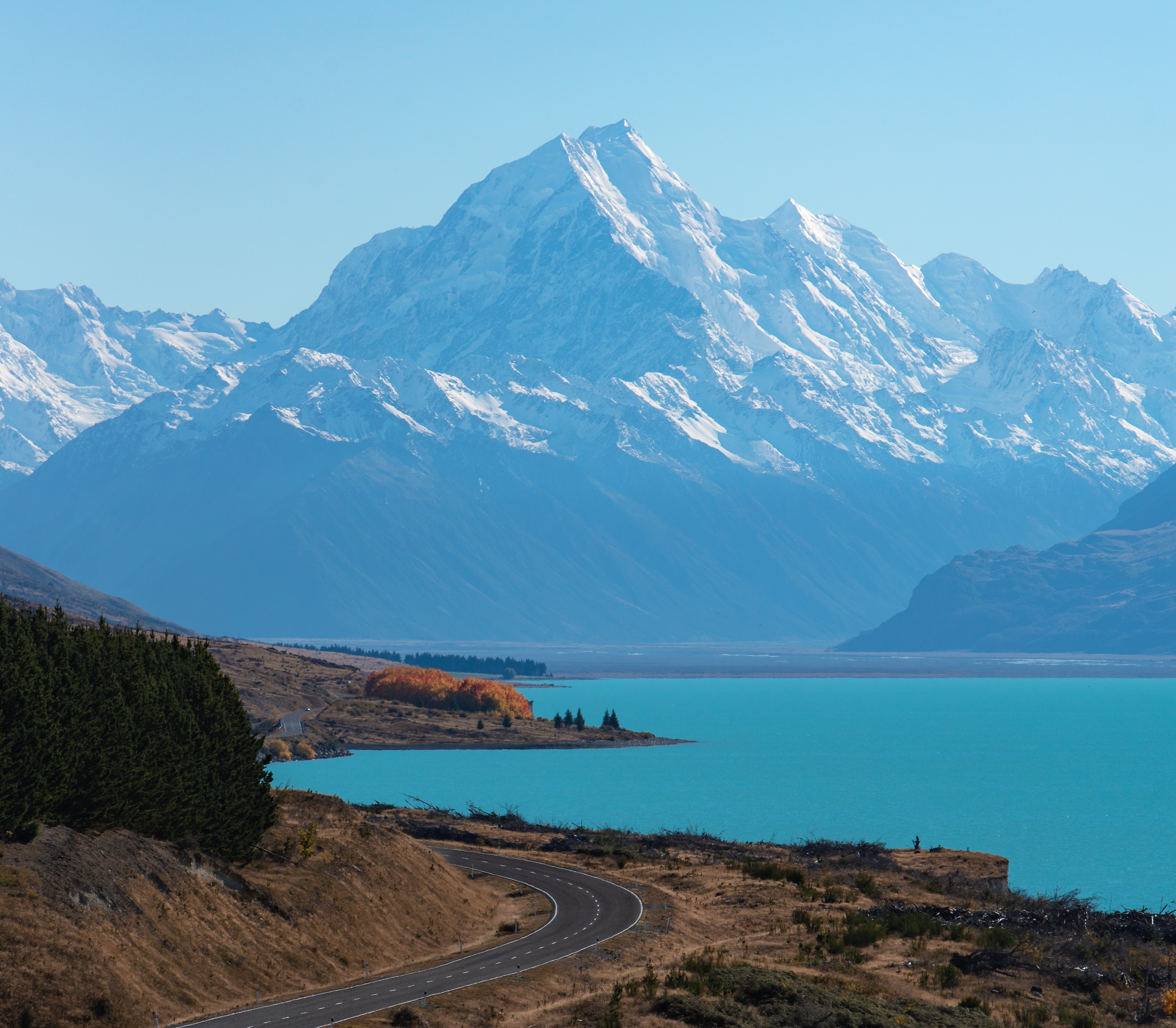
Be prepared for sudden closures
In winter, roads can close with little notice due to snow, slips, or crashes. Always have a backup plan and avoid driving if conditions are poor and you are not confident.
Before you travel, check the NZTA website for current updates. Their Journey Planner is a good tool as it allows you to see any closures along your intended route.
Fatigue, jet lag, and tourist crashes
NZTA
repeatedly highlights the risks of fatigue and unfamiliarity for
international visitors. Many tourists arrive in New Zealand after long
flights and then begin driving almost immediately. This is dangerous.
If you have just landed after a long journey:
- rest before driving
- share driving if possible
- avoid driving long distances on your first day
- stay overnight near the airport if you are tired
- take breaks every two hours
Jet lag, unfamiliar roads, and changing weather can quickly reduce concentration. A relaxed schedule is one of the best ways to stay safe.
Some Essential pre-drive checks for your rental car or campervan
Before leaving the depot or airport, do a quick but careful inspection of your hire vehicle.Check the condition of the vehicle to any condition report provided by the rental company, and if there are any differences, point these out to the rental staff before you leave. Take detailed images of the vehicle including all panels, wheels and tyres, and windows and windscreens.
Before you leave the parking lot, please make sure you know:
- which side the fuel cap is on
- whether it uses petrol or diesel. If petrol check the minimum octane rating required.
- how the lights, wipers, and demister work
- how to adjust mirrors and seat position
- how the handbrake operates
- where the spare tyre or repair kit is
- what to do in an emergency
- whether chains are included in winter
- the vehicle height, especially for campervans
If you are hiring a campervan, also check how to operate any onboard systems safely.Your rental company will usually explain these to you, so allow some extra time for this when you collect your campervan.
Safe self-drive trip planning in New Zealand
A
good itinerary is about more than choosing beautiful destinations. Safe
self-drive planning means balancing driving time, rest, weather, and
road type. Avoid trying to “do it all” in too few days.
Some smart planning tips include:
- limit long driving days
- build in weather flexibility
- avoid driving at night when possible
- check road conditions daily
- allow extra time for scenic stops and road delays
- choose overnight stops that reduce fatigue
If you want help building a realistic and enjoyable route, our New Zealand trip planner is perfect, and is designed to help you plan your perfect New Zealand self-drive holiday.
Driving in new zealand. What to do if something goes wrong
If you break down or have an accident:
- move to a safe place if possible
- turn on hazard lights
- contact emergency services by calling 111 if anyone is injured or in immediate danger
- contact your rental company and follow its instructions
- use roadside assistance if included in your rental agreement
- be aware of our specific laws covering what to do if you have an accident
Always keep your phone charged, and be aware that some remote areas may have limited mobile coverage.
Final tips for driving in New Zealand
Driving
in New Zealand can be one of the highlights of your holiday. The key is
to approach it with respect, patience, and preparation. The scenery is
spectacular, but the roads require attention. Visitors who take their
time, understand the rules, and plan around conditions usually have a
much safer and more enjoyable experience.
To summarise, remember to:
- make sure your overseas licence is valid and in English or accompanied by a proper translation or IDP. Check that your licence meets the requirements of your car/camper rental company
- always drive on the left
- follow New Zealand speed limits and road signs
- take extra care at intersections, roundabouts, and one-lane bridges
- allow more time than your map suggests. Use our New Zealand driving distance calculator for realistic distance and driving time information
- take frequent breaks and never drive tired
- be especially cautious in South Island winter conditions
- check official NZTA road and travel advice regularly
For official and up-to-date guidance, start with the NZTA visitor driving page here.
And if you are looking for information on available cars and campervans for rent we can help.
Be sure to have a look at our New Zealand self-drive trip planner.
With
the right preparation, a New Zealand self-drive holiday gives you the freedom to
experience New Zealand at your own pace. Drive carefully, leave plenty
of time, and enjoy the journey as much as the destination.
new zealand Road signs
New Zealand Driving Distances and times
Our thanks to the New Zealand Transit Agency for some of the information used on this page.
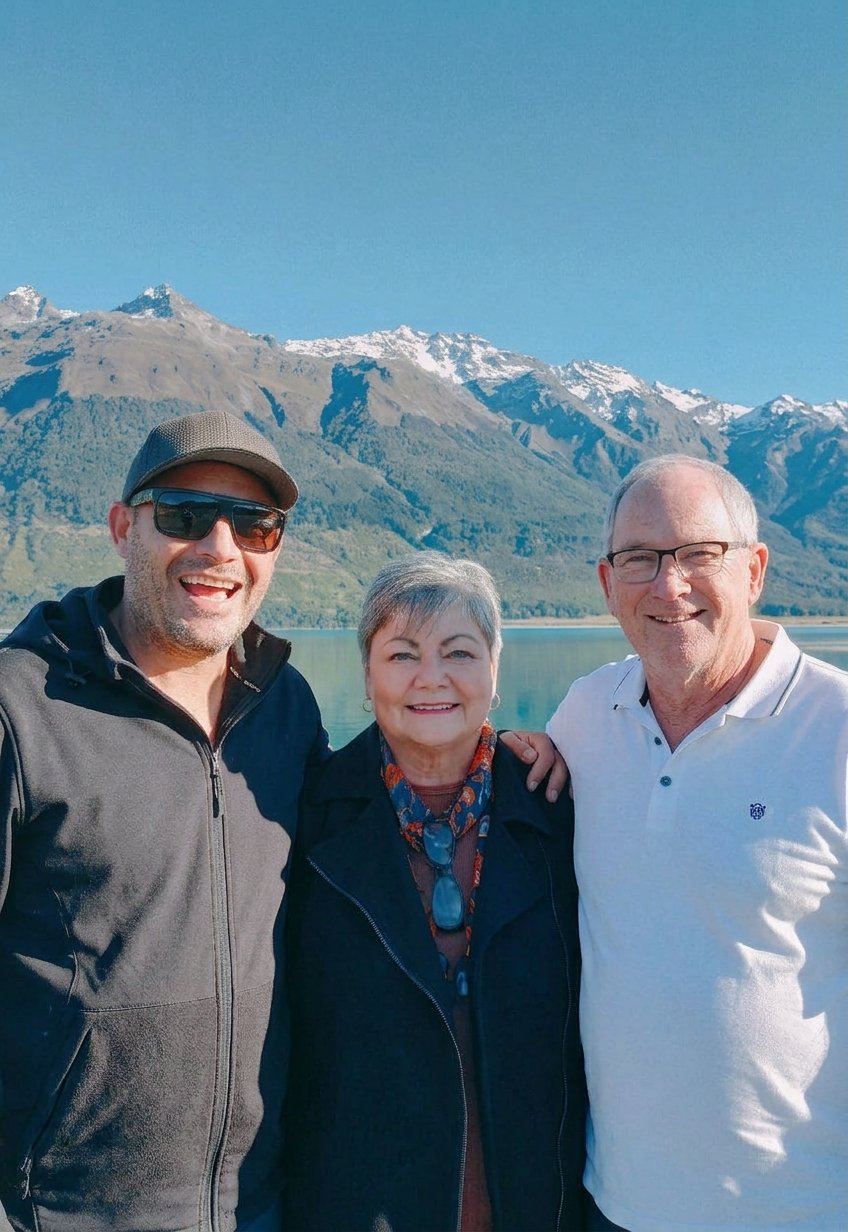
Dave, Kim, and Tim Curran are New Zealand self-drive holiday specialists with a strong Queenstown focus. For 20+ years, they have been helping travellers plan bespoke New Zealand self-drive itineraries. Vacation Queenstown also offers visitors a unique trip planner to help them build their own New Zealand self-drive adventure. Dave is recognised by Tourism New Zealand as an Advanced Specialist. They love exploring New Zealand and helping others create their own adventure.
