Car vs Campervan New Zealand. Which Travel Option Is Right for You?
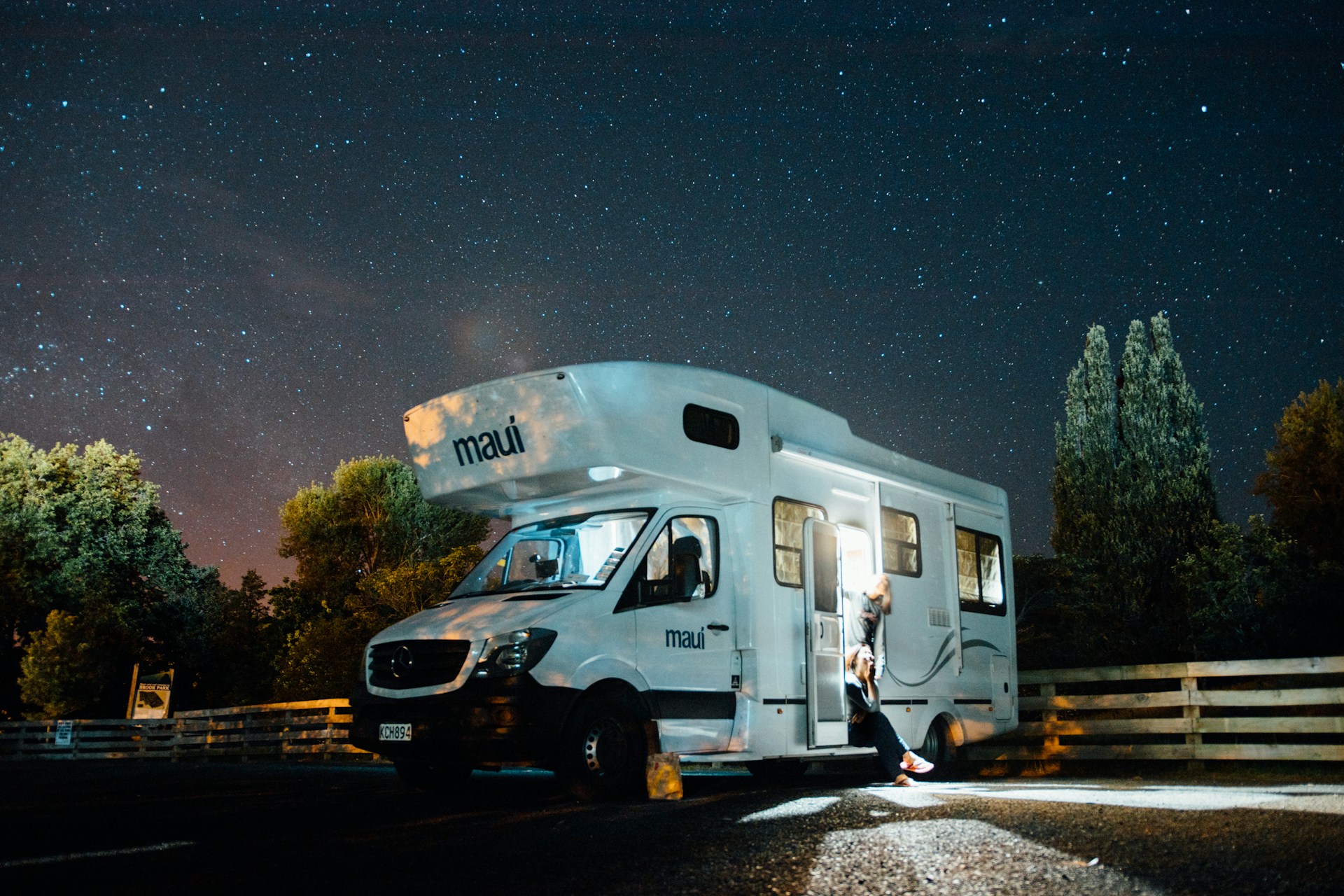
Car vs campervan New Zealand - it's a question we are often asked. Hopefully we can help to make your decision a little easier.
The car vs campervan New Zealand question is one that often confuses our visitors.
When planning a trip, one of the biggest decisions you can make is how
you want to travel. For many people, the choice comes down to two
popular options: hiring a rental car and booking accommodation
separately, or choosing a campervan or motorhome that combines transport
and sleeping space in one. Both approaches can lead to an amazing
holiday, but the right one depends on your budget, travel style,
destination, and personal preferences.
A standard rental car with
hotels, apartments, or holiday homes is often the more familiar option.
It offers structure, comfort, and flexibility in a traditional sense.
You can drive where you need to go during the day, then check into
accommodation with fixed facilities at night. For travellers who enjoy
private bathrooms, hotel services, larger beds, and the convenience of
not setting up camp, this can be the simplest and most comfortable
choice.
On the other hand, a campervan or motorhome offers a very
different kind of freedom. Instead of packing and unpacking at every
stop, your vehicle becomes part of the travel experience itself. You can
move more spontaneously, stop in scenic locations, and keep your
accommodation with you wherever you go. For road trips, nature-focused
holidays, and travellers who enjoy flexibility, a campervan can be
incredibly appealing.
Cost Can Be A Factor
Cost is often one of the first things people consider when
comparing the two. At first glance, hiring a car may look cheaper,
especially if the daily rental rate is lower than a campervan. But that
doesn’t tell the whole story. With a car, you also need to budget for
hotels, guesthouses, holiday rentals, or other accommodation every
night. Depending on the season and location, those costs can add up
quickly. Popular destinations during peak summer months can make
separate accommodation surprisingly expensive.
A campervan or
motorhome may have a higher upfront hire cost, but it combines multiple
expenses into one. In many cases, you are paying for transport, sleeping
space, storage, and sometimes cooking facilities all together. That can
make it a strong value option, especially for couples, families, or
travellers visiting areas where accommodation is limited or costly. Of
course, campervan travel may also include campsite fees, fuel, and
optional extras, so it’s still important to compare the total trip cost
rather than just the rental price.
To check current fuel costs, Gaspy is a handy resource.
Should We Consider The Season?
Season also plays a major role. During high season, hotels and
holiday rentals often rise in price, and availability may be limited. In
these situations, a campervan can offer greater flexibility and may
help you avoid inflated accommodation costs. In lower season,
however, discounted hotels or short-term rentals may make the
car-and-accommodation option more attractive. Weather matters too.
Travelling in a campervan in mild, dry conditions is very different from
travelling in colder, wetter months when indoor comfort may become more
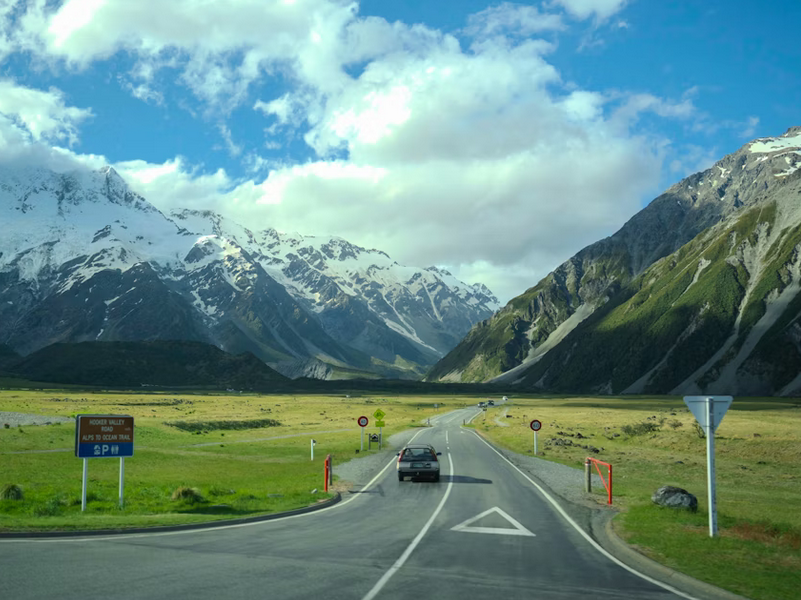
important. Some people find a larger campervan or motorhome can be a bit of a handful on our winter roads, so for inexperienced drivers, a car may be a more practical option.
Do You Have A Personal Preference?
Personal preference is just as important as budget. Some love the independence of a campervan. They enjoy being able
to change plans at short notice, stay closer to beaches, lakes,
mountains, or national parks, and wake up in a different place each
morning. Others prefer the predictability and convenience of traditional
accommodation, with more personal space and fewer practical tasks to
think about.
Space is another key consideration. While campervans
are cleverly designed, they do involve living in a compact environment.
That can be part of the fun for some people, but it may feel limiting
for others, especially on longer trips or when travelling with children.
A rental car paired with hotels or apartments may offer more room to
spread out, recharge, and enjoy separate living and sleeping areas. If
comfort and privacy are priorities, that may influence your decision.
Flexibility
means different things depending on how you like to travel. A campervan
gives you the freedom to adapt your route and make spontaneous stops,
but it may also require more planning around campsites, parking rules,
and facilities. Free camping is popular in New Zealand but heavily restricted. A rental car can be easier to drive, park, and use for
everyday sightseeing, particularly in towns and cities. If your trip
includes urban areas, narrow roads, or lots of short local journeys, a
standard car may be more practical.
There is no single answer to the car vs campervan question
because every trip is different. A weekend city break may clearly favour
a rental car and hotel. A scenic multi-stop road trip through coastal
or rural regions may be perfect for a campervan. The best choice depends
on what matters most to you: cost, comfort, freedom, convenience, or
the style of experience you want to have.
Car Vs Campervan New Zealand - Our Widget Could Be The Answer
That’s exactly why using a comparison widget can be so useful. Rather than relying on assumptions, you can look at the real factors that affect your decision — from season and trip length to budget, space, and travel preferences. By comparing both options side by side, it becomes easier to see which one offers the best fit for your holiday.
Whether you choose the simplicity of a rental car and accommodation or the adventure of a campervan or motorhome, the goal is the same: to create a trip that suits you. With a little planning and the right comparison tools, you can make a more confident choice and enjoy the journey from the very start.
Need help planning your travel route?
Our unique, free to use trip planner is the perfect way to research and plan your New Zealand road trip.

Dave, Kim, and Tim Curran are New Zealand self-drive holiday specialists with a strong Queenstown focus. For 20+ years, they have been helping travellers plan bespoke New Zealand self-drive itineraries. Vacation Queenstown also offers visitors a unique trip planner to help them build their own New Zealand self-drive adventure. Dave is recognised by Tourism New Zealand as an Advanced Specialist. They love exploring New Zealand and helping others create their own adventure.
